Is Homeschooling Affordable?

Mother and daughter homeschooling with piggy bank in front.

Homeschooling is often touted as a more affordable alternative to traditional schooling. But is it really? While the upfront costs of homeschooling may seem lower, there are many hidden expenses that can quickly add up.

Beyond Tuition and Books

In 2024, we spent Php 40,000 on our son’s homeschooling tuition, books, and materials. While this may seem less expensive than traditional private schools, it doesn’t tell the whole story. Here’s a breakdown of some often-overlooked costs:

Fixed Assets

Homeschooling requires a dedicated learning space with equipment like a computer, printer, comfortable chairs, and a spacious desk. Creating a conducive learning environment (and maintaining it) can easily cost Php 30,000 to Php 50,000, depending on your choices.

Utilities

A hundred megabits per second internet and increased electricity consumption are among the costs of effective online learning. This added approximately Php 6,000 to our annual expenses.

Supplementary Materials and Enrichment

A well-rounded education requires most homeschooling families to invest in supplementary materials like books, educational apps, enrichment classes (e.g., art, music, sports), and field trips. We spent Php 35,000 on these last year.

Opportunity Cost

Perhaps the biggest hidden cost is the potential income lost when a parent chooses to stay home and homeschool. This can be significant, especially if the parent was previously employed in a well-paying career.

Flexibility and Control

While homeschooling may not be as budget-friendly as some believe, it offers a significant advantage: flexibility and control. You have the power to customize your child’s education, choose your curriculum, and set your own pace. This can be invaluable for families with unique needs or learning styles.

The Bottom Line

Homeschooling can be more or less expensive than traditional schooling, depending on your choices and circumstances. It’s important to carefully consider all potential costs before making a decision. However, the financial aspect is just one piece of the puzzle. The true value of homeschooling lies in its flexibility, personalized learning experience, and the strong parent-child bond it fosters.

Follow the Journey

This journal is my way of making sense of the lessons from the journey. Get the next full entry delivered straight to your inbox.

Homeschool Vs Traditional School

A child with books and blackboard as background | Homeschool vs Traditional School

Consider homeschooling if you prefer flexibility, control, and more time with your children. Consider traditional schooling if you value freedom, community, and prestige. 

Consider homeschooling if you’re a work-at-home (or stay-at-home) parent with an endless amount of patience. Consider traditional schooling if you work a nine-to-five job and can spend most of your day away from your children. 

Consider homeschooling if your child thrives on studying exclusively. Consider traditional schooling if your child performs better in groups. 

Choosing whether to homeschool your kids or enroll them in a conventional school is easier said than done. It turned out to be a blessing in disguise that homeschooling became our only option when we were in this situation three years ago.

The truth is both homeschooling and traditional schooling have their unique advantages and disadvantages. Their effectiveness would solely depend on what you and your children need. 

Unfortunately, many of us get trapped in the decision loop because we consider beyond what’s necessary. Here are some examples:

  • Trends“Most people are doing this, so I will also do this.”
  • Parents“My parents want my children to go to this school.”
  • Standards“The school should have like this, this, and this. Oh, and also this.”
  • Reputation“People would think highly of my kids (or me), if they study in this school.”
  • Business connection“My kid is going to this school to build connections with these groups of people.”

While these can be useful considerations, they have the tendency to become distractions from the more important matters, such as direction.

Proverbs 22:6 reminds us, “Train up a child in the way he should go; even when he is old he will not depart from it.” 

As parents, we are responsible for guiding our children toward the right path. Educational institutions are simply vehicles to help us achieve that goal. Choosing between conventional schooling and homeschooling is like deciding whether to take a bus or drive your own car. Either way, the aim is to get to your child’s destination.

Have you thought about what direction your child should go? I meditated on this question, and this is my answer (as of this writing): 

I hope my children will grow up to be God-fearing adults who know how to take care of themselves, and the people around them. 

The “Home” in Schooling

A friend told me during dinner that he doesn’t believe in homeschooling. “Why not?” I asked. He said, “it’s because I haven’t seen any final products, unlike in traditional schools.” 

I didn’t mention that Tim Tebow, J.R.R Tolkien, C.S. Lewis, Emma Watson, and Serena Williams were some of the products of homeschooling – because it’s beside the point. 

The point is we should not outsource our children. We shouldn’t give the schools the burden to turn our children into its “final product.”

Ultimately, the best education for your child is one that is rooted in a loving and supportive home environment. Regardless of whether you choose to homeschool or enroll them in a traditional school, parents must be the main educators for their children. 

What’s best: homeschool or traditional school?

Well, the best for them is actually you.


Follow the Journey

This journal is my way of making sense of the lessons from the journey. Get the next full entry delivered straight to your inbox.

Why Homeschool?

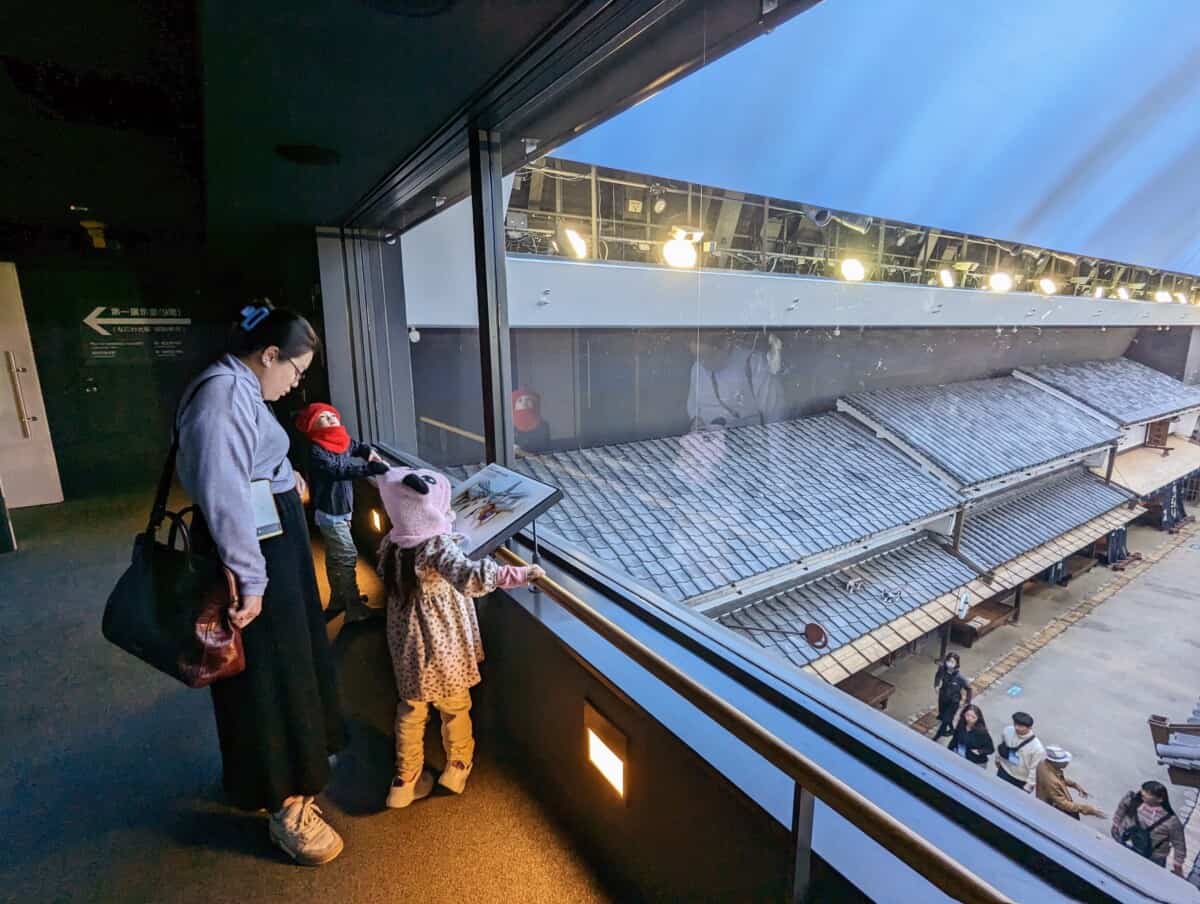
Kid-friendly Osaka family travel itinerary - The Osaka museum of housing and living

 Exploring the recreation of a town in Osaka during the end of the Edo period.

People always ask why we homeschool our kids. Well, we didn’t have a choice at the time. I was in substantial debt, so homeschooling became the best option. All parents want their kids in reputable schools, but for us, it means sinking deeper into the pit. So the plan was: homeschool now, real school later. We used homeschooling to buy time while we clawed our way out to the surface.

It was a bold move because my wife and I knew nothing about homeschooling. Our thought process then was: Let’s just give it a shot. If it doesn’t work, traditional schools will always be there. But I like our chances. Lalaine was a preschool teacher.

Three years later…

We are now debt-free, and our finances are generally much more manageable. Yet we found ourselves staying with the homeschool setup. Why? The simplest answer is that: it works for us.

Homeschooling is a seamless addition to our work-at-home lifestyle.

In 2017, Lalaine and I moved our businesses online to be more present for our children. With its flexibility and online resources, homeschooling has been a natural fit for our family’s current dynamics. Our household has been running smoothly, with both business and schooling conducted online. We’ve found a rhythm that works, and we’re sticking with it.

Homeschooling enables us to guide our children through sensitive topics.

Children today are easily exposed to information beyond their years, which can lead to potential confusion, misinformation, or apprehension. Homeschooling allows us to tailor our children’s education to their needs, providing age-appropriate explanations and ensuring their learning aligns with our family’s values.

Homeschooling transforms learning into a family activity.

I love how homeschooling has brought our family closer. We used to spend most of our time at malls and indoor playgrounds, but now we explore the world together. We visit zoos, parks, museums, historical places, and more. Homeschooling has made learning an adventure for our whole family.

How about? Why do you homeschool your kids?


Follow the Journey

This journal is my way of making sense of the lessons from the journey. Get the next full entry delivered straight to your inbox.