What Is The Purpose Of Personal Finance? Not what you think

Can personal finance make you rich?

The usual motivation for a person to get started in personal finance is this: getting rich. I can totally relate. I personally had a similar idea when I read my first finance book, which is Rich Dad Poor Dad. I thought the main purpose of personal finance was to make you rich.

While getting rich is not the primary goal of personal finance, it definitely helps you get there. It covers topics that will aid in protecting and growing your money, such as saving, investing, and insurance. Furthermore, it also teaches about how taxes work, so you can optimize your income by reducing unnecessary expenses.

It has been almost a decade since I first stepped into personal finance and, guess what, I am still not “rich.” In fact, following certain teachers has even got me into debt! But I am not blaming anyone. It is on me. I take full responsibility for what happened. Yet, to be fair, it was also the knowledge I gained in financial management which ultimately helped me get back on track. I have weathered the storm, but there is still a long way to go.

What is the purpose of personal finance?

I hope I have not disappointed you. But being wealthy is only an aspect of personal finance. Riches are only a by-product of managing your money well. What it offers us is so much more.

Personal finance is meant to help you manage your money effectively. It provides you with the necessary techniques, tools, and knowledge to be able to take control of your finances. By managing your money well, you will be able to live a healthier lifestyle, as economic stress may cause physical, mental, emotional, and relational strain. 

Based on a report, the number one cause of stress is… you guessed it: money. I am sure you are already aware of the negative impacts stress can have on our bodies, career, and relationships. Nevertheless, the most damaging part of money-related stress is it puts you in a vicious cycle of mental health problems and financial difficulty.
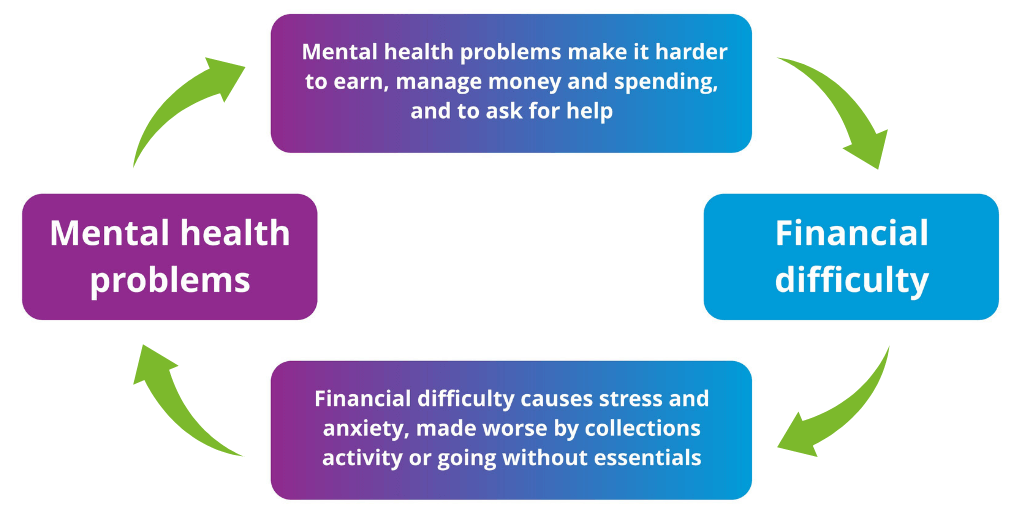
The unending cycle of financial difficulty and mental health problems.

People with financial problems are more likely to suffer from mental health issues. People with mental health issues are more likely to have financial difficulties. No one certainly wants to step on this hamster wheel. Yet, a survey conducted in the United States alone found 77% of its citizens felt stressed about their finances.

As surprising as it may seem, money-related stress has nothing to do with money. I can vouch for this. Despite being in debt since 2016, praise God, I am no longer worried or stressed about it. Why? Because I already have a plan in place. It will only be a matter of time before I pay off everything I owe. You see, my stress wasn’t relieved by money. It was alleviated by learning how to deal with my difficult financial situation.

What personal finance ultimately offers us is peace of mind — and that is something money cannot buy.

If it costs you your peace, it is too expensive.

Where to start in personal finance?

I appreciate you for staying. Most readers might have already closed this window by now. Financial management is not a topic many people find appealing — especially when they’ve learned it doesn’t guarantee riches. But you are different. I presume you are willing to give personal finance a go?

Understanding your financial situation is the first step in personal finance. The way to do this is to track how your money comes in, and how it goes out. In short, your cash flow. Your financial health will generally depend on whether you are making money or not. Thus, keeping an eye on your numbers is the most crucial task in personal finance.

The most basic way to track your cashflow

You can start tracking your monthly cash flow with a spreadsheet or with the good old pen and paper. Here is a basic template you can use:

Cash-inCash-out
Job$1,000Rent$600
Side hustle$500Utilities$400
Stocks$500Debts payments$400
Real estate$1,500Transportation$200
Business$800Food$300
Hobby$100
Maintenance$100
Total$4,300Total$2,100

I still use this template to this day. It has changed the way I handle my money and make decisions. If you want to learn more, I have written about this topic in detail as well as attached a free workbook in a separate post. You can check it out here.

Family portrait while homeschooling.

Does personal finance cost money?

If you strip personal finance to its core, what you will see is that it is all about helping you make prudent decisions. All the data gathering you do is meant to serve as a foundation for your next move. But mere data is useless until it is applied with proper knowledge and techniques. Personal finance needs to be learned.

Generally speaking, personal finance is going to cost you money in one form or another. Learning to manage your finances properly will require you to invest in books, classes, and workshops. On the other hand, the absence of personal finance in your life can also result in money loss as it puts you at risk of making poor financial decisions.

Recommended resources

If you are looking for good resources on personal finance, here are some I could recommend:

Books

Online courses

A tower made of Lego.
A tower my son built.

How studying personal finance now benefit you in the future?

Money is something we all must deal with for the rest of our lives. Whether it becomes a blessing or a curse generally depends on how we handle it. Money is a tool. You will put yourself at a great advantage if you become adept at using it.

Understanding the topics of saving, investing, protecting, retiring, and legacy planning will benefit you in the future. They will teach you how to grow your money over time, as well as how to protect it from certain risks. Time is a vital ingredient to a healthy financial life. What you do today will affect your life for years to come.

Things to do for a more financially stable future

Here are five fundamental lessons you need to know to build a secure financial future:

Save money for emergencies.

Emergencies are unforeseen events that can happen in your life. We don’t intend to get ill or be involved in an accident. But if they do happen, it will result in significant medical expenses and loss of income. The money you saved in the bank will serve as a cushion to fund these unexpected circumstances. The rule of thumb is to set aside at least six months’ worth of your living expenses. You can extend it to a year if you live or work in high-risk areas.

Invest in long-term growth.

Once you have completed your emergency fund, the next step is to invest. Investing is the act of spending your money in hopes of future gains. Besides financial growth, one of the main reasons why we need to invest for the long haul is because of inflation. Inflation is an invisible expense. They are like these little parasites that chomp on our hard-earned money each year without us knowing. As of this writing, the inflation rate is at 3.6%. What this means is we are currently losing money at this pace due to the increasing prices of goods. The way to counter this is to invest our money in funds that will allow us to earn 3.6% or more.

If you want to learn about inflation. You can check out this post.

Protect your progress with insurance.

Imagine writing a book for the whole day and then your computer suddenly crashed. What you realize later on is that you forgot to save your progress. Eight hours of work flew away just like that. What if this happens to your assets? All the savings were emptied by a critical illness. The house was burned down due to a faulty wire. The kids can no longer go to college because their parents have passed away or become disabled.

Getting insurance is like hitting the save button. It can pay for your hospital bills, replace the amount lost in your property, and support your children until they can stand on their own. It is somewhat similar to building an emergency fund but on a much bigger scale. The ideal insurance coverage is about ten to fifteen times your annual income.

You can read my article about insurance versus investment here.

Plan for your retirement.

There will come a time when we can no longer do physical work due to our age. How are you preparing for it? One of the strategies is to build enough assets to cover our monthly expenses. Assets like rental properties, stocks, or businesses that don’t require too much physical strength to operate. Some people take their children as investments. They expect their kids to provide for them when they retire. Please do not adopt that kind of mindset. Our kids have no obligation to support us in old age. We will certainly be thankful when they do, but they are not by any means required. We should make the most of building our assets while we can.

Learn how to pass on your assets.

I haven’t gotten to this area of personal finance yet. I still don’t have much to pass on to my children. Legacy planning is something we should study as we build our net worth. It basically talks about the efficient ways to transfer our assets to the next generation — as there are costs and technicalities involved in the process.

Closing thoughts

I hope you found this post helpful. In a sense, personal finance is a way to make yourself happier and more fulfilled later in life. Start doing today what your future self will thank you for.

Sources:

See also


Follow the Journey

This journal is my way of making sense of the lessons from the journey. Get the next full entry delivered straight to your inbox.

How Can You Apply Personal Finance In Your Daily Life?

Personal finance is the process of managing your money. It talks about saving, budgeting, investing, banking, insurance, tax, mortgage, retirement, and a lot more.

Is personal finance useful?

Many would think personal finance only looks good on paper. That there are no practical ways of applying it in our daily lives. Nothing can be further from the truth.

The primary use of personal finance is to make you aware of your numbers. This allows you to adjust your lifestyle based on your financial limitations. By doing so, it enables you to be more mindful of spending and make better decisions overall. In addition, you can also use your data to detect leaks, build credibility, and set more tangible goals in life.

6 ways you can use personal finance in your everyday life

1. You can set more tangible goals

Managing your money allows you to create a more actionable plan. It gives you actual data on which to base your goals. Almost everybody wants to be rich. But if you ask them, “How much money do you need to become wealthy?” they often cannot answer. This usually happens to people who do not practice personal finance.

I found myself in huge debt in 2016 and wondered how I got there. As I lamented over my ordeal, I sat down with a pen and paper to take inventory of my finances for the first time. I folded the sheet in half and drew a plus sign on the left column where I listed all my income sources. On the right, is a minus sign for my expenses. Lo and behold, here is what I found:

+
MerchandiseRent
Utilities
Wages
Borrowed funds
Credit card debts
Mobile postpaid plan
Car fuel and maintenance
Charity
NBA League Pass

There were nine items on the minus side and only one on the plus side. I finally understood the problem and realized the steps I needed to do next. For a couple of years, I worked on cutting down on the minuses and adding more pluses. By 2018, here is what my journal looked like:

+
MerchandiseRent
Real estate (Commission)Utilities
Transportation service (Commission)Wages
Index fundBorrowed funds (Negotiated)
Money market fundCredit card debts
Bond fundMobile postpaid plan (Changed to a lower plan)
Invested in a friend’s businessCar fuel and maintenance
Buy and sellCharity (As budget allows)
High-interest savingsNBA League Pass
Jewelry businessChild care

Today, I still continue to keep these two in check — always in the process of minimizing expenses and increasing the cash flow. Later, I learned these pluses and minuses are officially known as assets and liabilities.

We would all be like dogs who are chasing their own tails if we don’t apply personal finance in our daily lives. We work and work each day without really knowing whether we are making any difference in our bottom line.

Read the full story of my assets and liabilities journey here.

2. Use it to detect money leaks

Small leaks can eventually sink a ship. The same goes for our financial health. The most dangerous expenses are the little things we cannot see. A simple approach to personal finance similar to the table above can help us detect those leaks.

One of the latest leaks I found “harmless” were books and e-books. I generally deem them as an investment, so I buy every title that interests me. One day, as I was doing my accounting, I was surprised to learn I already owned 234 books — and most of them I haven’t read yet!

Just to be clear, there is nothing wrong with buying books per se. 234 titles are only a few for some. But the concern here is that I am only buying for the sake of buying — which is a dangerous habit. Because of that, I have decided not to buy any books until I’m done reading every title in my library. This was in 2019. Two years later, I have finished 107 out of 234 so far. Guess I won’t have any new books coming for the next couple more years.

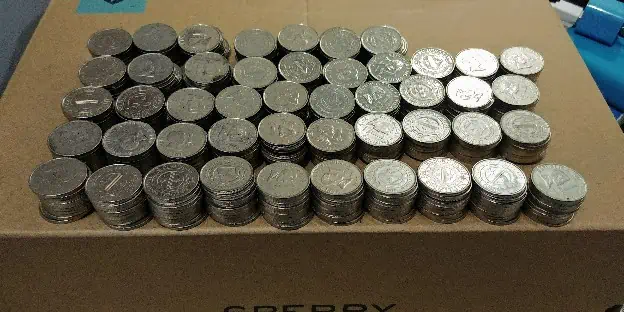
Coins from our coin bank.

3. It is a reliable accountability partner

One of the most valuable uses of personal finance is being a dependable accountability partner. Your records will not tolerate poor financial decisions. As long as you are transparent with the numbers you encode on your spreadsheets (or apps), it will, in turn, give you honest feedback about your overall financial health. It will help you make logical, rather than emotional, decisions. Now, it is no longer a question of whether I want it or not, but rather, can I afford it or not?

It has been seven years since my wife and I last traveled overseas. So we decided to plan a trip to Tokyo Disneyland and Universal Studios in Osaka sometime in September 2023. We have already started a budget and created our itinerary. Beyond the Covid issue, our financial management and everyday living habits will ultimately determine whether our vacation will become a reality.

4. It helps you build credibility

Taking care of your finances goes a long way. It will not only help improve your economic condition, but it can also aid in building trust with other people. Nobody wants to do business with individuals who have financial red flags. The way a person handles his money speaks a lot about him. Most institutions will ask for your bank statements before they engage in partnership talks with you.

I remember when my wife and I were shopping for brand-new kitchen cabinets because the old ones had been infested with termites. The owner, who is our friend, asks us when we are planning to replace them. We answered about eight to twelve months from now.

“How come?” he followed up.

With transparency, we replied that our budget still does not allow it, so we are saving up. He returned to his office and came back with a proposal stating we could purchase the cabinets on a PAY WHEN ABLE basis. Lalaine and I both looked at each other in disbelief. We thanked him and asked, “Why such a generous offer?” He replied, “Because I know I won’t have any problems with you guys.”

Sure, he is a friend. But he is also a businessman at the end of the day. This offer is unlikely to be extended to every friend he has. While we were humbled by his remarks, we ended up proposing a new solution where we could meet halfway. In place of paying when we could, we issued post-dated checks with the amount we could afford each month. 

5. Use it to teach your kids about money

I work at home. Whenever I do my personal finance, my eldest son is often there to observe. He is curious and asks many money-related questions — which I am more than happy to answer.

  • Why are some numbers red and some are green?
  • What is money for?
  • How do people get money?
  • Do we have a lot of money?
  • Why do I need money to buy toys?
  • Are there people who do not have money?
  • Can we still eat without money?

As I answer each question, he begins to grasp the concept of money little by little.

My wife shared with me a story about her experience with the kids in a toy store one day. She said she was surprised when our son asked her this question: “Can we afford this toy mommy?” She was moved by his thought process, as she never expected a 4-year-old to be so considerate about our budget. Certainly a proud parent moment for us. 

6. You can tell your story through it

Numbers tell stories. What narrative can you see based on these figures?

2017– Php 1,841,363.56
2018– Php 1,114,199.63
2019– Php 753,069.63
2020– Php 600,000.00
2021– Php 500,000.00
2022– Php 420,000.00

These numbers narrate my debt-free journey. I had already paid off half by liquidating some of my fixed assets before I kept track of my progress.

  • 2017 was the year when the grinding began. I started paying off my creditors from scratch.
  • 2018 was a good year. As a result of a real estate deal, I was able to cut off a substantial amount of my debt.
  • 2019 was not bad either. I started to get the hang of making money online.
  • 2020 was so-so. Seeing Covid had begun to hamper some of my income sources, I began to look for new opportunities.
  • 2021 was below average. Moving to a new house interfered with our usual debt payment budget.

At the moment, I still owe people Php 420,000 and I can’t wait till the day when I will be able to clear this debt.

If you are also in a similar situation, I hope you somehow find encouragement from this extra short story. And that is one of the most significant uses of personal finance. Your data will eventually tell compelling stories, the sort which others can learn from.

Closing thoughts

There are other ways to apply personal finance in your daily life, such as organizing bills, improving cash flow, planning for the future, and managing risks. Financial management is a necessary skill everyone should practice. This is essential to maintaining a healthy lifestyle.

See also


Follow the Journey

This journal is my way of making sense of the lessons from the journey. Get the next full entry delivered straight to your inbox.

Is It Important To Find Purpose In Life? Let’s clear this up

How are you spending your day? Chances are, you might only be living by the moment. Drifting. Just taking everything life gives you day in and day out. You have no goals, no aspirations, and have nothing to look forward to. Worst, you may even start asking yourself, “What am I here for?

I’m describing myself a few years back.

Purpose is important because it generally gives one’s life drive, direction, and meaning. People who live purposefully serve others and help them live better lives. Those who have found their mission are generally happier and more fulfilled. Life becomes extra special when you find its purpose.

What does it mean to find your purpose in life?

Many equate finding purpose as being happy with their life. That is why people tend to switch jobs, migrate to different countries, and go into various relationships when they do not feel happy anymore.

Finding your purpose in life means committing yourself to a cause you care about. It is being part of a solution to a certain problem where you can use your gifts, talents, and skills. A purposeful life is about the willingness to serve passionately. It is something you want to do even if it is difficult, and you gain nothing in return.

To give you an example, here is the purpose statement of our family:

Our purpose as a family is to empower our neighbors from hopelessness and enable them to empower others as well, through the means of generosity.

In essence, our mission is to be prudent with our resources so we can be generous towards those who are in need. We aim to empower people who are broken and feeling hopeless by sharing with them our time, money, talents, and knowledge. By doing this, we hope one day we can lead them to a position where they can also empower others through their own advocacy.

Life is more fun when you have found a purpose to devote your life to. But that does not mean it will always feel that way. Living your purpose can sometimes feel like going to the gym. There will be days when you do not feel like doing it. You know it is a calling when you find yourself doing it anyway.

If you want to learn about our family’s mission and vision, you can follow the links below:

Group photo in a zoo.
Twice a year we take orphaned children to somewhere fun. On April 12, 2016, we took them to Zoocobia, Mabalacat, Pampanga, Philippines.

How to know when you found your purpose in life?

There is no metric system that can say you have certainly found your purpose in life. We all base it on assumptions and gut feelings. These are some hints if you want to know whether you have already found your purpose in life:

  • You put others before yourself.
  • You serve without expecting anything in return.
  • Working for eight hours a day isn’t enough.
  • You find joy and fulfillment in what you are doing. Not in the results.
  • People are inspired by your work, and they tell you about it.
  • You have the drive to do things even when nobody is pushing you.
  • You can more or less see where your life is heading.
  • You do your best despite no one is watching.
  • Your heart aches for people who are experiencing the issue you are trying to solve.
  • You feel the burden of doing something even if you do not want to do it.
  • It is an activity you are willing to engage in for the rest of your life.
  • You do it despite the hardships.

When I consider all these things, what I think of is writing. I told my wife if I became too broke to give financially, or too old to volunteer, I could continue being generous by blogging or writing a book. I can pen all the lessons I have collected throughout my life, which hopefully add value to the reader.

Some people will connect their purpose with their work, others, with roles in their families. The majority, perhaps, have tied it to their spirituality or religious beliefs. These all have their own truths. But when you strip everything away, what you will see is that purpose is fundamentally about service. Everyone’s purpose is to serve. We are not here for ourselves. We are here for each other.

Kids at a party.
As part of our outreach program, we collaborate with several food establishments where the kids are fed, entertained, and taught various life lessons.

Do we all have a purpose in life?

I was having fish for dinner on one occasion. Out of the blue, I felt emotional as I saw its entire body lying on my plate beside a cup of steamed rice. I was overwhelmed with the feeling of thanksgiving as I realized the sole purpose of the fish. It was born specifically to feed me that evening. I mean, don’t you think it is mind-blowing to think there are living things whose primary calling is to die and give us life?

We depend on others, and others depend on us. Hence, everyone has a purpose in life. But the call for each individual is unique as we all have different skill sets, experiences, and responsibilities. Nothing is ever created to benefit itself. We all exist to have each other’s backs. If you think you do not have a purpose, you just might not have found it yet.

My wife and I prayed and reflected for four years before we found our purpose. It took so long because we looked for meaning in the wrong places. If you’re like us, you may have already found your calling. The problem is you are hesitant to accept it because it is different from what you expected. We tend to search for a grand purpose; like being one of the first people to land on Mars. Nothing wrong with that, of course. But what if your purpose lies in ordinary things? Like being a loving husband and an amazing dad?

I hate to break it to you, but there are even people who have found their purpose in suffering and tragedy.

Viktor Frankl was a Holocaust survivor. In his book, Man’s Search For Meaning, he wrote how he found his purpose while being a prisoner in a concentration camp. The suffering he endured and the lessons he learned motivated him to stay alive, so he would be able to write about it when he gets out.

Another example is Candy Lightner. On May 3, 1980, her 13-year-old daughter was killed in a hit-and-run by a drunk driver in Fair Oaks, California. By September 5, 1980, Candy transformed her tragedy into a mission to stop drunk driving by organizing a group called MADD — Mothers Against Drunk Driving. As of March 30, 2020, MADD has saved around 350,000 lives and helped more than 850,000 victims.

Most often than not, we begin to find purpose when we are at the lowest point of our lives. This is why many of us never find it. Not everyone sees hardships as opportunities.

The reason why Lalaine and I chose generosity as our advocacy is because we both experienced the plight of being dead broke and in serious debt. We both traveled and weathered the season of hopelessness, and it is a predicament we do not want other people to experience.

Kids praying.
We also teach them how to pray.

How to find your purpose in life?

People often believe you do not have to find your purpose because it will instead find you. They expect they’ll get the eureka moment some day. I’m not sure if there are individuals who suddenly found their meaning in life while binge-watching Netflix or playing video games on PS5. But based on our experience, purpose is something you have to pursue through prayer and observation. You will only find it if you search for it intently.

There are generally two ways to find your purpose. First is the treasure hunt method. You journey through life and look for clues about the reason for your existence. The second is the menu method. You browse through all the issues of this world, and then choose which causes you are willing to be part of based on your passion, gifts, experience, and expertise.

The treasure hunt method

I am sure you are familiar with how treasure hunting works. You might have seen it in movies, or have experienced playing it every Easter. It is a game where you follow clues and solve puzzles to uncover hidden treasure. You can use the same method when finding your purpose in life.

Here are some of the action plans when going for the treasure hunting method:

  • Observe your surroundings.
  • Look for signs
  • Ponder about your situation.
  • Recognize your strengths.
  • Identify your comrades.
  • Chart where your life is heading.
  • Decode the lessons.
  • Connect the dots.
  • Explore the opportunity.
  • Find the next clue.
  • Follow the trail.

Treasure hunting is what most people use in finding their life’s purpose. Viktor Frankl and Candy Lightner found theirs through this method. They were led into a situation where they had to respond in such a way that eventually gave meaning to their lives.

The treasure hunt approach is a fun way to find meaning in life. But the downside of this process is that it can be unreliable, confusing, and takes a great deal of time to get results.

The menu method

When you open the menu in a new restaurant, you can more or less see a shortlist of items you are inclined to try. Depending on your budget, you will order a few and ultimately discover the dish you most enjoyed.

Finding your purpose in life can also be approached this way. As mentioned earlier, purpose is all about service. It is being a part of a solution to a problem. So the menu we are going to open is a choice of the tribe of people we want to help, and an ongoing issue in their lives we wish to alleviate.

Here are the guide questions to the menu method:

Who is the group of people you are most compassionate about?

ElderlyDivorcedDisabled
AthletesCareer womenLeaders
ExecutivesSingle ParentsFarmers
InfantsHospitalizedEx-military
Teen momsEmpty nestersOrphans
PrisonersDisabledCollege students
PoorYouthSingles
Young marriedWidowedProfessionals
ArtistsAtheists/Agnostics/Other faithsBusiness people
UnemployedWidowedRefugees
ChildrenYouthParents
HomelessEducatorsNeighbors

What issues break my heart the most?

FamilyChild careHopelessness
TechnologyEducationMental health
SportsDiscipleshipAddictions
EnvironmentAIDSRacism
ViolenceHomosexualityInternational affairs
Domestic abuseArtsReaching the lost
LiteracyPoliticsPoverty
AbortionInjusticeHunger
ChurchEconomyCrime
Medical careHomelessnessCorruption

What can I do?

ComfortInspire
EmpowerSave
CareStop
CultivatePrevent
TrainPush
FacilitateGet better
MotivateHeal
BuildMake
EnergizeLead
SupportKeep

What are the tools I can use?

ServiceCommunicationStrategy
CounselingHospitalityProject management
AdministrationKnowledgeImplementation
Hand skillsEncouragementMarketing
WisdomConnecting PeopleStorytelling
ArtsWritingTechnical skills
DiscernmentCompassionCritical thinking
OrganizationAnalyzingCreating
LeadershipTeachingPersuading
MotivationOrganizingRecruiting
PioneeringPerforming (arts)Influencing
Reshaping mindsetsManual skillsFinance
SharingCoachingPublic speaking
CreativeDesigningGiving
TrainingManaging peopleLearning
SportsResearchingInspiring

What outcome do I wish to see?

HealedSober
RestoredClean
EmpoweredJoyful
CapableJustice
HopeEstablished
SavedChanged
EducatedHome
FilledLove
EmployedFaithful
FreeMeaningful

Now complete this sentence once you have picked the items that spoke to you from the menu:

“My purpose is to (what you can do) the (group of people) from (an ongoing issue) to (the desired outcome) through the means of (the tool).

Lalaine and I used the menu method to determine our purpose — as I had shown earlier:

Our purpose as a family is to (empower) our (neighbors) from (hopelessness) and (enable them to empower others as well), through the means of (generosity).

Personally, I like the menu approach because it is simpler, easier, and more practical. Of course, whatever we have come up with is not set in stone. Feel free to revise along the way in response to the ever-changing priorities and circumstances of life. There is an element of trial and error in finding your purpose using the menu method.

In addition, as followers of Christ, our family also used another “menu” which is the Holy Bible. Overall, we believe we exist to be in a relationship with God and to use our lives to please Him. One of the items we picked out from the Menu was 2 Corinthians 9:7 which reads:

Each one must give as he has decided in his heart, not reluctantly or under compulsion, for God loves a cheerful giver.

Tying my blue suede shoes.

The key: Know thyself

Whatever method you chose, the key is to know yourself.

Here is the process I have undergone to learn more about myself:

What ongoing issues in life do you feel most connected to?

  • Financial difficulty and being in debt.
  • Broken families.
  • Hopelessness.

What is one thing you did ten years ago, still doing today, and would be willing to continue doing ten years from now?

  • Write

What is one thing you like to do even without getting paid?

  • Teaching

What are your strengths?

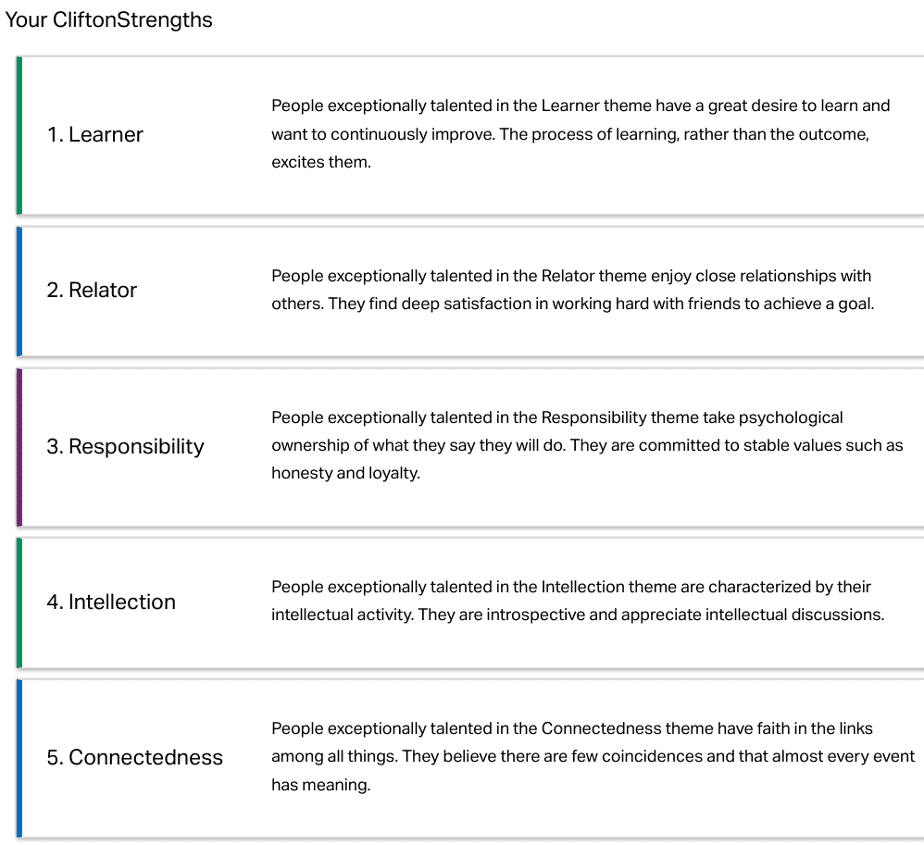
According to CliftonStrengths:

  1. Learner
  2. Relator
  3. Resposibility
  4. Intellection
  5. Connectedness
My CliftonStrengths test results.

What are your gifts?

Based on GiftsTest.com

My top 5 gifts according to test results.

What are your traits?

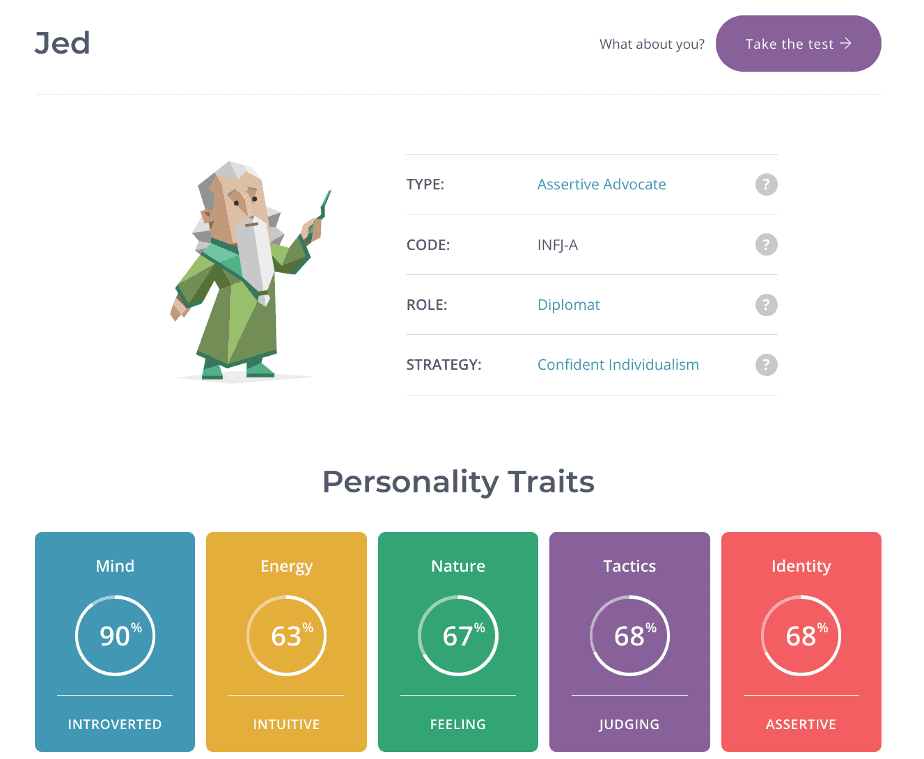
Results from 16Personalities.com

My personality traits result.

An Advocate (INFJ) tends to approach life with deep thoughtfulness and imagination. Their inner vision, personal values, and a quiet, principled version of humanism guide them in all things.

What is your personality type?

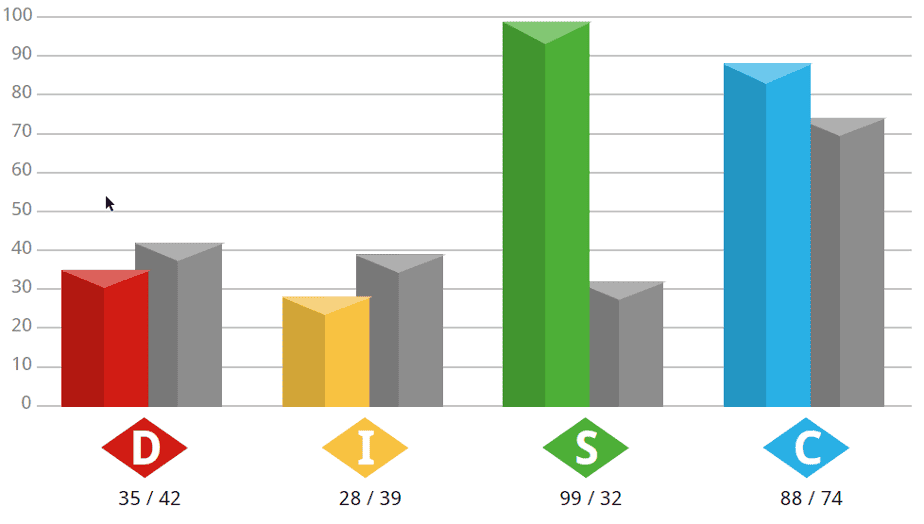
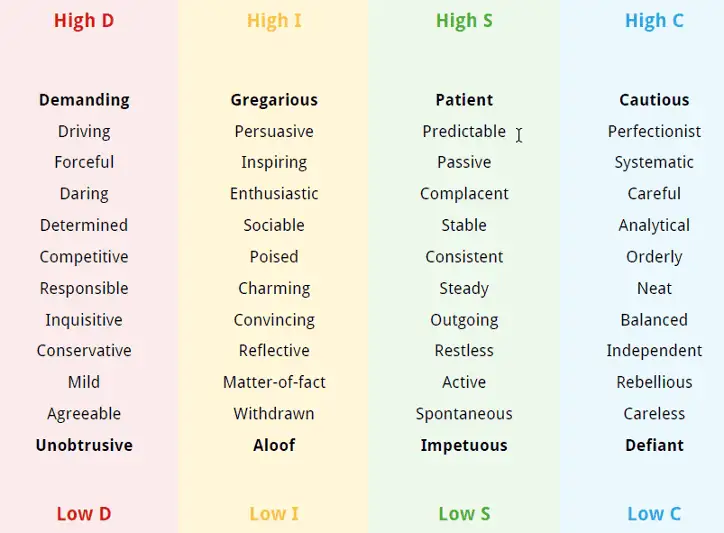
Based on Tony Robbins DISC Assessment Test:

  • Dominance = low
  • Influential = very low
  • Steadiness = very high
  • Conscientious = high
My DISC test results.
DISC diagram.

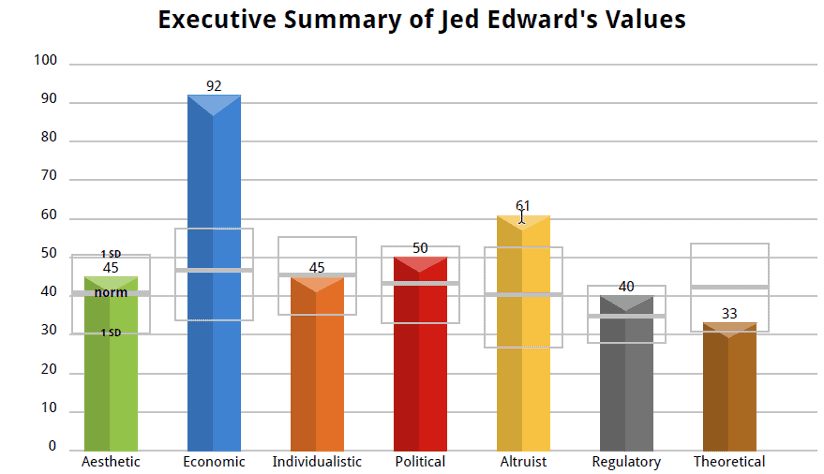
What do you value?

From Tony Robbin’s Assessment Test:

Results from the values test.
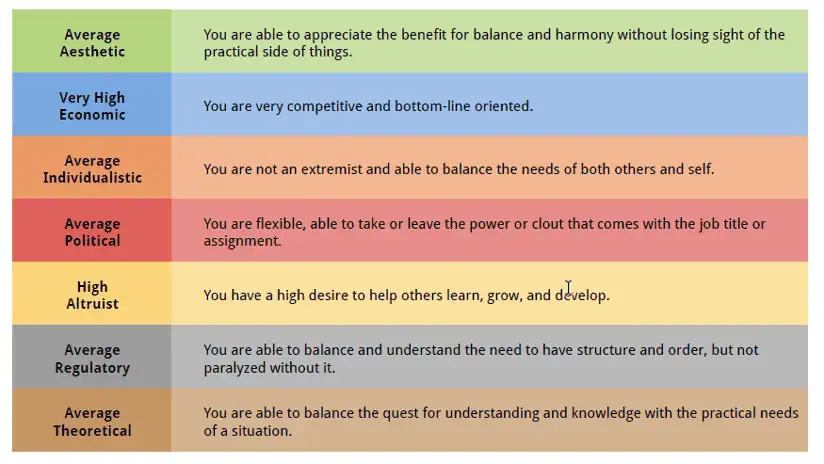
Explanation of my values test results.

What is your number one driving force?

  • Growth

Who are the people you look up to?

  • Warren Buffet
  • C.S. Lewis
  • Craig Groeschel

Of course, it is unrealistic to assume all test results are accurate. But I must admit they did help me a great deal with understanding myself more. It was interesting to note that a few things consistently showed up in the test results, such as learning and giving.

Fun fact: these results are what inspired me to start this blog. Hence, the name The “Learning” Dad Blog. The idea is to create an online journal to share my learnings with others — and hopefully make it into a business to support my passion for writing.

Closing thoughts

Here is our family’s official mission statement which I suppose everyone can also apply in their lives: To bloom wherever you are planted.

The truth is, finding your purpose in life is a step of faith. You do not have to wait for the perfect moment to make your life purposeful. You have to try things out and see where they lead you. Yet, wherever you are, whatever you do, whoever you are with, however you live, there is always the opportunity to serve others.

Live your life with purpose today.


Follow the Journey

This journal is my way of making sense of the lessons from the journey. Get the next full entry delivered straight to your inbox.